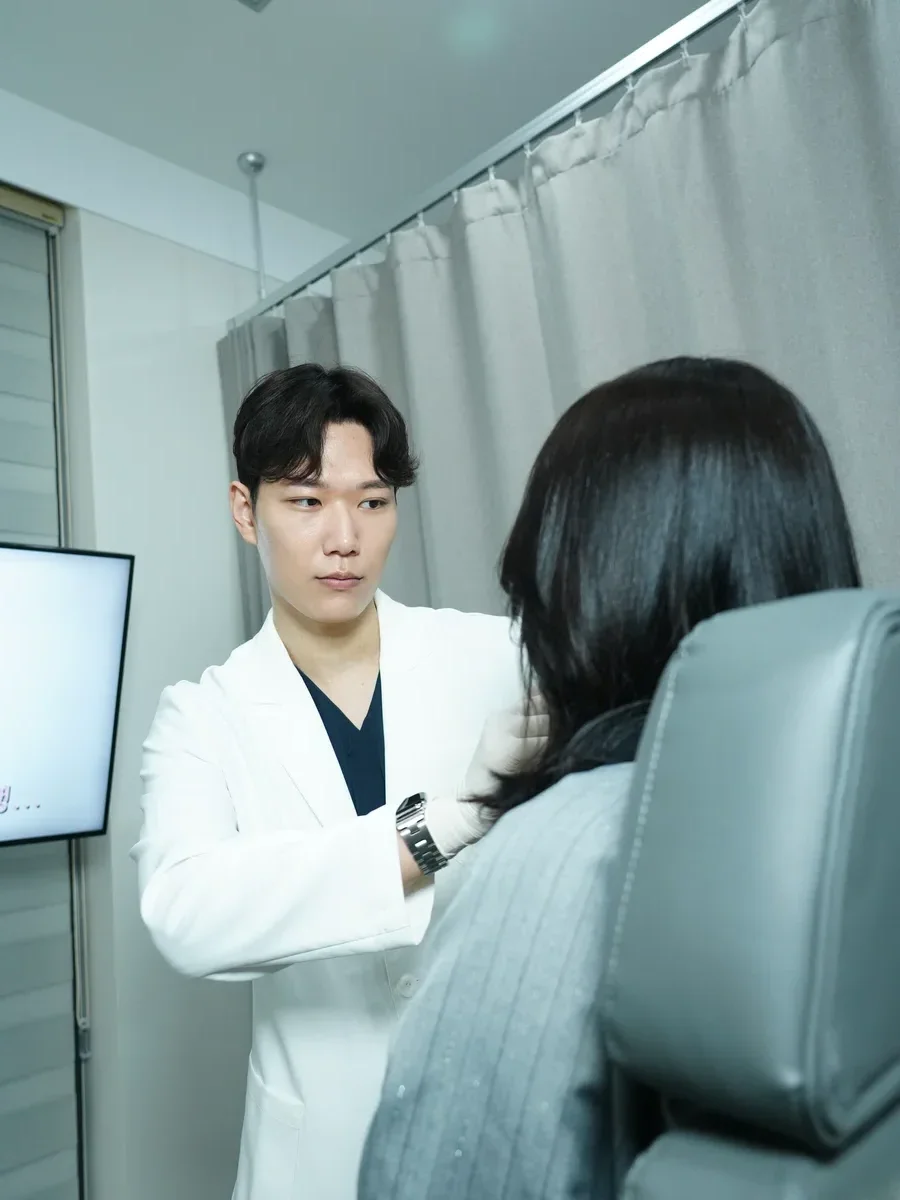
Botox Pricing in Incheon 2026
Wrinkle Botox in Incheon starts at ₩9,900 ($7.60 USD) per treatment area, covering forehead lines, glabellar frown lines, or crow's feet. This pricing reflects the competitive medical tourism market near Incheon International Airport, where clinics maintain lower overhead costs than central Seoul districts. Hyperhidrosis Botox for excessive sweating costs ₩99,000 ($76 USD) for 100 units, applicable to underarms, hands, or feet.
For comparison, a single area of wrinkle Botox in the United States typically costs $200-400, making Korean pricing approximately 95% lower per treatment area. In the UK, the same procedure averages 150-300 GBP, while Australian clinics charge $300-600 AUD. This price gap drives significant medical tourism to Korea, particularly for patients combining multiple injectable treatments in a single visit.
Dermal Filler Cost Breakdown
Filler pricing in Incheon varies by product and treatment area. LENA nasolabial fold filler starts at ₩149,000 ($114 USD) per 1cc syringe, providing an accessible entry point for volume correction. Juvederm chin filler with Korean chin Botox is offered as a package at ₩390,000 ($300 USD), combining structural augmentation with muscle relaxation for jawline refinement.
Premium Filler Options
The Smooth Jawline Package at ₩160,000 ($123 USD) includes LENA chin filler 1cc plus Korean jawline and chin Botox. For under-eye concerns, the Dullness OUT Hollow Care Package costs ₩410,000 ($315 USD) and combines Juvederm filler 1cc with Cosmeo under-eye Botox. The Naturally Brighter Under-Eyes package at ₩490,000 ($377 USD) pairs Eye Shuttle 200 shots with Belotero under-eye filler 1cc.
For forehead and temple volumization, the Youthful Forehead Package provides LENA filler 3cc at ₩770,000 ($592 USD). The Neckflix Package addresses neck lines with Belotero neck wrinkle filler 1cc plus Korean skin Botox at ₩450,000 ($346 USD). These package prices include the consultation, procedure, and standard aftercare.
What Affects Botox and Filler Cost
Three primary factors determine injectable pricing in Korea. First, the product brand: Korean-manufactured fillers like LENA cost significantly less than imported brands like Juvederm or Belotero, though both carry MFDS approval. Second, the treatment area and volume required: lips need 1cc while cheeks may require 2-3cc. Third, whether the treatment is standalone or part of a combination package.
Package deals typically offer 20-40% savings over individual pricing. A patient seeking chin filler alone pays market rate, but combining it with jawline Botox in the Smooth Jawline Package reduces the effective per-treatment cost. RE:BERRY Incheon structures packages specifically for medical tourists who want comprehensive treatment within a limited visit window. Aesthetic Medicine Specialist Sung-Jun Cho designs protocols that maximize treatment value within each session.
Korea vs International Price Comparison
The cost advantage of Korean injectable treatments is substantial across all product categories. Botox in Korea costs ₩9,900-99,000 ($7.60-76 USD) per area compared to $200-600 per area in the US. Hyaluronic acid fillers range from ₩149,000-490,000 ($114-377 USD) per syringe versus $600-1,200 in the US and 250-500 GBP in the UK.
Why Korean Pricing Is Lower
Korea's lower injectable costs stem from intense market competition among over 1,500 aesthetic clinics nationwide, high patient volume enabling bulk purchasing, and lower operational costs compared to Western markets. The quality of care remains equivalent: Korean practitioners complete identical training in injectable technique, and MFDS-approved products meet the same safety standards as FDA-cleared alternatives.
Payment and Practical Information
Korean aesthetic clinics accept international credit cards (Visa, Mastercard, Amex), cash in KRW, and increasingly WeChat Pay and Alipay. VAT is included in all quoted prices. Medical tourism patients receive treatment on the same day as consultation in most cases. No deposit is required. Prices listed represent promotional rates for April 2026 and may vary by treatment period. All injectable procedures at Korean clinics fall under non-covered medical services, meaning national health insurance does not apply.